


Daily London
Chances are you’ve been to a third place at least once in your life and didn’t even realise.
And while many believe they’re essential, some experts say they’re becoming a lot more scarce. So what are they, and are they going anywhere?
The term “third place” was coined in the 1990s by sociologist Ray Oldenburg as work hours began to increase.
He argued that as life became busier and more secluded, these places became vital for democracy, engagement and a sense of place amongst the broader community.
The main criteria for a spot to be a third place are pretty simple: it needs to be a neutral area that is easily accessible to and comfortable for the public.
Its main purpose is for people to gather and socialise, fostering a sense of community and conversation.
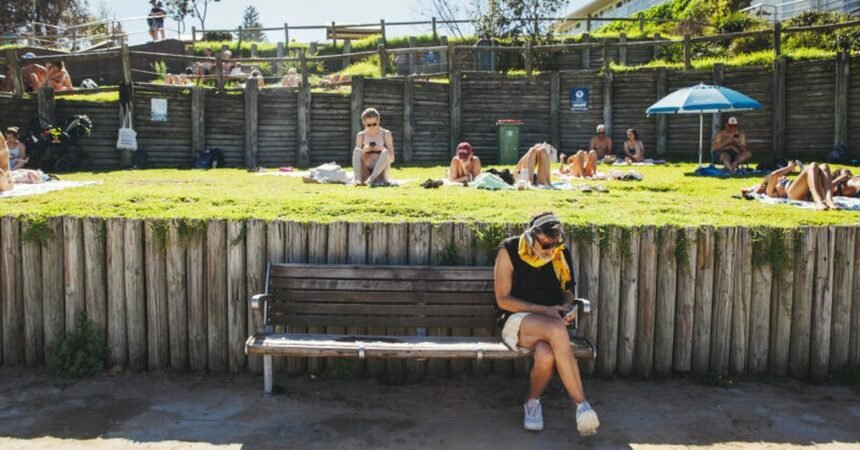
In a traditional sense, a third space can be anywhere from a coffee shop to a park to a library.
“Shopping centres are considered third spaces,” creative producer at youth arts organisation OutLoud Nicole Issa said.
“Even though some people might not like it to be, it’s the truth.”
She says third places are important for social connections, particularly amongst young adults.
She also thinks they’re dying out.
“One thing that I’m hearing a lot from young people is that there is a need for third spaces and there’s a need for safe places for young people to go,” she said.
”I think it’s been a gradual thing. The biggest, major event that has changed the way young people use third space was definitely COVID…
“There was like strict legislation that came in that prevented people from going to social events or even meeting up with other people, which then, in turn, just changed people’s patterns.”
“It sort of came out of that kind of social capital literature.
“These places are important because they’re where we establish what are often known as weak ties.
“You make new friends and acquaintances, and you get to know your neighbourhood and your neighbours a bit more and people you wouldn’t normally run into.
“In so many parts of the world, it’s just normal everyday life. It didn’t really need a name.”
In his literature, Ray Oldenburg argued that a place outside of work and home is crucial for public wellbeing.
“What suburbia cries for are the means for people to gather easily, inexpensively, regularly, and pleasurably – a ‘place on the corner’,” he said.
While brick-and-mortar shopping centres filled that need for decades, the rise of online shopping has meant people are spending less time at physical stores.
The internet – particularly social media – is a double-edged sword here. While it’s given rise to digital third places, it’s limited the way that people interact in public.
“I hate having to get out of the way of people who are reading their phone as they walk down the street, they’re not actually present in the street,” Professor Kim Dovey said.
“Cities work by putting lots of people you don’t know into the same space that you share, and you weave in and out of each other and on busy pedestrian sidewalks.”
“And that’s how cities work, so I think social media is a threat to that.”