

Daily London
The site is one of the largest wastewater systems in the country, servicing almost two million people in the city’s south-west, including Fairfield, Campbelltown and Liverpool.
It is hoped this would prevent the debris balls from forming again, but also keep up with the growing population in the city’s south-west.
Sydney Water will work with Malabar System Alliance to deliver major upgrades to the Glenfield and Liverpool facilities.
The staged upgrades will treat key facilities in the system, including the water resource facilities at Glenfield, Liverpool and Fairfield.
For the first stage, Sydney Water will work with Malabar System Alliance to deliver major upgrades to the Glenfield and Liverpool facilities.
Jackson said the staged upgrades mean that the projects will be funded over time, so Sydneysiders are not met with a “sudden bill shock”.
The agency has also increased cleaning and inspections and is expanding an education campaign on fats, oils and grease to reduce the material from entering the wastewater network.
”We understand the seriousness of recent debris ball incidents and the need to ensure our network is equipped for Sydney’s growing population,” Sydney Water chief executive Darren Cleary said.
“This program of works is a clear demonstration of our commitment to building a more resilient system over the coming decade and to protecting our beaches, which are so important to Sydney’s way of life.”
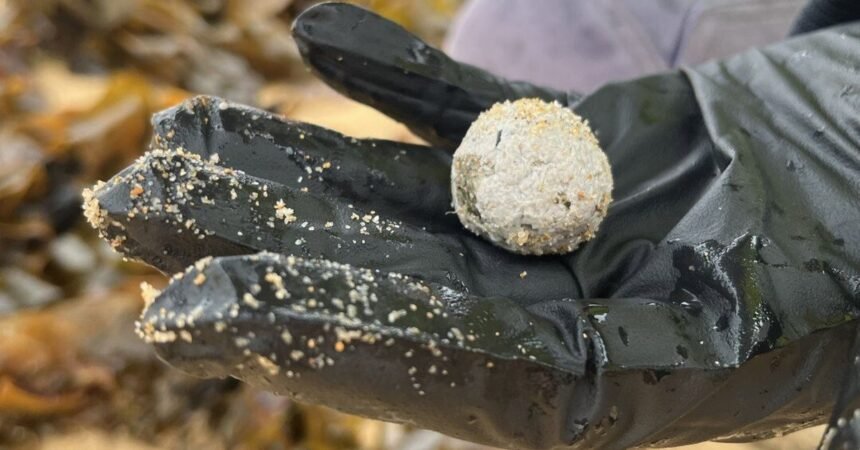
The mysterious balls first appeared ashore in Coogee, in Sydney’s eastern suburbs, in October 2024, before an onslaught of the greasy debris turned up along the coastline.
Beaches had to be closed as crews collected samples for testing and cleaned up the shore.
Several more incidents of balls washing up on beaches continued until early last year.
Sample testing and investigations found debris was made up of fats, oils and greases with the sewage treatment network as the likely source.