


By using this site, you agree to the Privacy Policy and Terms of Use.
Accept
Daily LondonDaily London
Font ResizerAa
  • UK & Europe News
  • World Affairs
  • Tech & Innovation
  • Culture & Society
  • Voices of London
Reading: Ocean expert says shark culling debate is ‘misinformed’ after surge in attacks
Share
Font ResizerAa
Daily LondonDaily London
  • UK & Europe News
  • World Affairs
  • Tech & Innovation
  • Culture & Society
  • Voices of London
Search
  • UK & Europe News
  • World Affairs
  • Tech & Innovation
  • Culture & Society
  • Voices of London
Follow US
© 2025 Daily london. All Rights Reserved.
Daily London > World Affairs > Ocean expert says shark culling debate is ‘misinformed’ after surge in attacks
World Affairs

Ocean expert says shark culling debate is ‘misinformed’ after surge in attacks

Daily London
By Daily London
Published: January 21, 2026
Share

Daily London

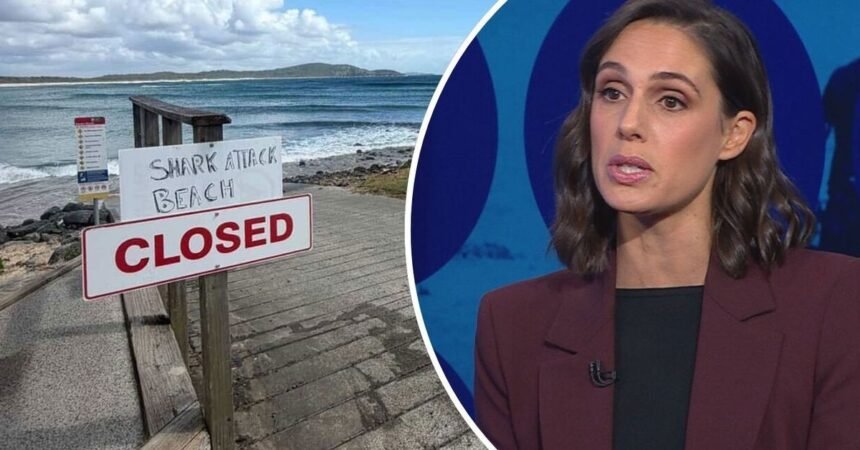
The surge in shark attacks along the NSW coast has renewed controversial calls to introduce shark culling measures, a suggestion that has sparked fierce opposition from marine experts.
While NSW Premier Chris Minns has ruled out culling sharks in Sydney after four shark attacks in just 48 hours, former prime minister Tony Abbott waded into the debate and denied the incidents were due to bad weather – despite scientists pointing to the impact of recent rainfall – and claiming the state should “reintroduce the shark fishery”.

However, marine advocates are vocal opponents of the practice and argue there is no scientific evidence to prove culling works.

While NSW Premier Chris Minns has ruled out culling sharks in Sydney after four shark attacks in just 48 hours. (@at.health)

Marine scientist Vanessa Pirotta said shark attacks can be better avoided through improved water safety habits.

“I personally, as a marine scientist, do not support a cull,” Pirotta told Today.

“What I do support is investment into scientific research to help us as Australians make informed decision-making.”

Culling involves lethal control of sharks by deliberately killing them to reduce the population and mitigate the risk of shark attacks or bites in the water.

It is usually done using baited drumlines or nets.

Shark nets are installed at some beaches in NSW and Queensland.

Pirotta called for calm and advised against a knee-jerk reaction, and said the dangerous cocktail of bad weather and summertime swimming is the key reason for the spike in shark attacks.

She also rejected the suggestion that bull sharks – thought to be responsible for some of the incidents – are aggressive.

Marine biologist Vanessa Pirotta said she does not support shark culling. (Today)

“We need more education around this,” she said.

“We’ve known for years, through research done by NSW Department of Primary Industries, that bull sharks are present in Sydney Harbour at this time of year.

“That to me as a scientist is not shocking, but we need to all be aware of this so that we can be more informed to make good decisions.”

Other advocates have suggested non-lethal measures to protect swimmers from sharks on Australian beaches.

SharkSafe Barrier Australia Director Neill Laurenson told the Sydney Morning Herald that magnets can be safely used to stop sharks from entering shallow water.

The technology, which is attached to the seabed, uses magnets to interfere with the receptors on a shark’s head.

”It creates an overwhelming sense for them, so they just don’t go through it,” Laurenson said.

“It’s like sort of tear gas for sharks. It doesn’t hurt them, it’s just uncomfortable.”

The magnets have been used in trials in South Africa, the Bahamas and on Reunion Island in the Indian Ocean.

Bull sharks are thought to be responsible for the attacks in NSW. (Wolter Peeters)
The debate over shark attack prevention has gained steam as two people fight for their lives in hospital – including a 12-year-old boy – following multiple attacks in Sydney.

“It’s a terrible situation, but it’s also a time where we just need to just stop and take a breather to digest the information,” Pirotta said.

“We all need to be informed, to think about this in the most appropriate way, and think about the word culling.

“That’s just probably, in my opinion, a misinformed comment.”

The ocean expert said better messaging around shark safety could help lower the rate of attacks.

“You’re probably going to check the UV index before going to the beach. You’ll check you go between the flags,” Pirotta added.

“Perhaps we need to have some sort of environmental communication around [sharks] going forward.”


You Might Also Like

Water leak in the Louvre damages hundreds of books
Europeans reeling as Trump imposes tariffs on eight countries over Greenland dispute
Billions thrown at major plan to prevent debris balls from washing up on beaches
Search launched for missing swimmer in Sydney’s south
NSW Premier Chris Minns urges Australians not to protest today
Share This Article
Facebook Twitter Whatsapp Whatsapp Email Print
Previous Article JD Vance and wife Usha announce they are having fourth baby
Next Article Father pays tribute to ‘beautiful daughter’ found dead and mauled by dingoes on K’gari, Queensland

Stay Connected

16k Like
85k Follow
45.6k Subscribe
Telegram Follow
- Advertisement -

Latest News

Interstate crews brought in to help firefighters battle massive blaze
World Affairs
International Olympic Committee grills organisers at Milan meeting
World Affairs
Search for vulnerable woman who disappeared from bus stop nearly two months ago
World Affairs
Man arrested after allegedly mimicking shooting near footbridge
World Affairs

Daily London – The Global Pulse from the UK

Sign Up for Our Newsletter

Subscribe to our newsletter to get our newest articles instantly!

[email-subscribers-form id=”1″]

Daily LondonDaily London
© 2025 Daily London. All Rights Reserved.