

Daily London
Australia’s sunscreen scandal is deepening tonight as a skin cancer patient sounds the alarm after she used a recalled product.
Twenty-one products are under scrutiny, all linked to a Perth lab, accused of supplying a faulty base formula.
Ultra Violette’s Lean Screen, a cult sunscreen with a huge following that goes for $52, claimed to be SPF50, about as safe as sunscreen gets, but independent testing found an SPF of just four.
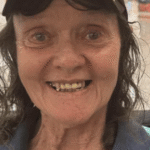
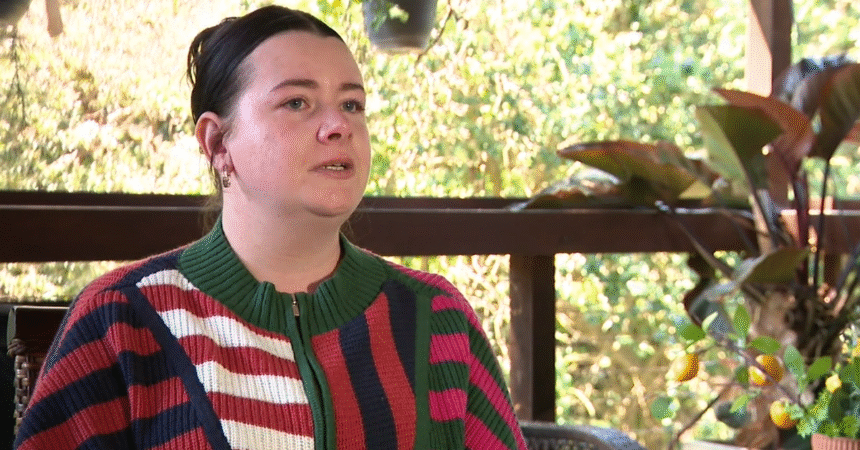
Young mother Rachel Gleeson, 34, said she used the product daily, confident she was covered until she was diagnosed with basal cell carcinoma skin cancer this year.
“I was using the UV Lean Screen for about two years before my diagnosis,” she told 9News.
” … I was really shocked that it happened to me because I couldn’t imagine doing much more to prevent it.”
Gleeson had surgery to remove the cancer and is now recovering.
“I was really down at the time and all I wanted was a cuddle from my baby and he wasn’t sure about me because he couldn’t quite recognise me,” she said.
Heading into summer in the skin cancer capital of the world, CHOICE tested 20 Australian brands and 16 failed, scoring below their advertised Sun Protection Factor..
The worst: Ultra Violette’s Lean Screen, which scored bottom marks.
Lean Screen used a base formula produced in Perth, at independent Wild Child Laboratories.
It was awarded SPF50 status after testing overseas by Princeton Consumer Research or PCR.
But the lab’s testing process is now at the centre of the scandal.
SPF is tested on human volunteers, with cream applied to skin then exposed to UV light.
After 24 hours, the skin is assessed for any redness to determine the SPF coverage.
In the case of Ultra Violette, a former PCR employee claims those tests weren’t done until 72 hours later, giving the skin a further two days to heal and distorting the result.
“During my time working at PCR I would have seen a number of different elements of what I would consider data that’s too good to be true,” former employee Brian Ecclefield said.
When CHOICE revealed its findings, Ultra Violette defended its failed product.
“I also put Lean Screen on my children. And I still would tomorrow,” co-founder Ava Chandler-Matthews said in an Instagram video.
Ultra Violette then recalled the product and offered customers refunds, telling 9News “we have ceased working with Wild Child and with PCR”.
“As a sunscreen brand, our responsibility has always been to prioritise your safety, protection and skin health above all else,” they said, after pulling the product off the shelves.
“It remains the basis for every decision we make, which is why when you heard from us last, we made a commitment to you that we would continue to investigate a concerning discrepancy in SPF testing results of our Lean Screen.”
The Melbourne-based company says it’s re-tested its entire range and has “complete confidence” in the safety of its other products.
Independent facility PCR says that its testing “reflects the specific sample and batch submitted at the time” and suggests the Therapeutic Goods Administration regulatory process might not be strict enough.
In Perth, Wild Child Laboratories has abandoned its overseas tester, telling 9News the TGA found “no manufacturing issues at our facility” during a subsequent inspection.
The TGA has recalled or paused the production of 21 other sunscreen brands that also used Wild Child’s base formula.
“The buck stops with these brands,” Gleeson said.
“They may say we’ve been using a lab or a manufacturer who has failed, well at the end of the day, you are still responsible for that product.”
The advice from experts is still to slip, slop and slap.
“We know sunscreen is highly effective at reducing sunburn which we know can be a predictor of skin cancer later in life,” Cancer Council Victoria prevention division head Craig Sinclair said.