

Daily London
The FDA regulates the safety and effectiveness of sunscreens. New products can be brought to market through an over-the-counter drug review process that sets conditions about how and when they are “generally recognised as safe and effective” for their intended use. Identifying and assessing active ingredients is a key part of the GRASE framework.
DSM Nutritional Products LLC, with headquarters in both Switzerland and the Netherlands, has submitted a request that the FDA add bemotrizinol as a new active ingredient permitted for use in sunscreens in the US, the FDA said.
The FDA has opened the request to public comments and will conduct a safety and effectiveness assessment under the GRASE framework before determining whether to issue a final order to add bemotrizinol to the active ingredient list for sunscreens.
“Bemotrizinol would be a welcome addition to the current array of effective sunscreen active ingredients already available to American consumers” Dr Karen Murry, acting director of the Office of Nonprescription Drugs, said in a statement.
The majority of skin cancers are caused by too much exposure to ultraviolet radiation, which comes from the sun as well as tanning beds or sun lamps.
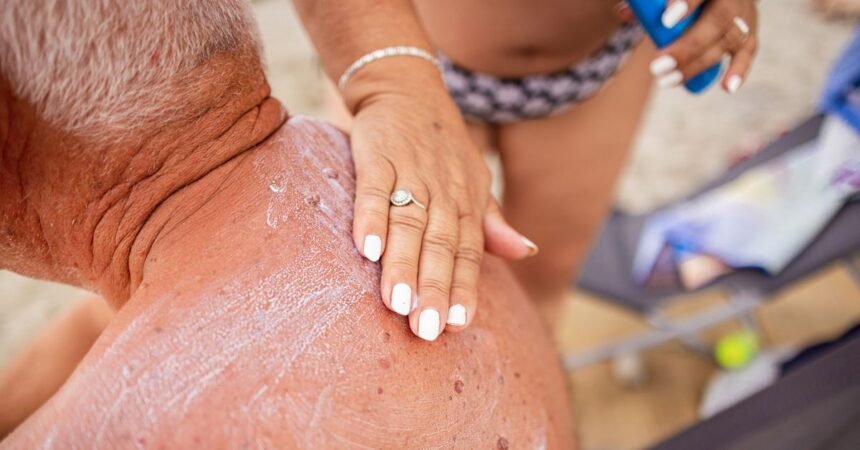
Staying in the shade and wearing UV-protective clothing, hats and sunglasses can all reduce exposure, but sunscreens, chemical or mineral, are also important tools to protect skin.
Chemical sunscreens – such as avobenzone, oxybenzone, octocrylene, ecamsule, homosalate, octisalate and octinoxate – bind to the top layer of skin and transform UV rays into heat that disperses. Mineral sunscreens, such as zinc oxide and titanium dioxide, form a protective barrier between the skin and the sun.