

Daily London
So what’s actually changing, and what does it mean for you? This is what you need to know.
What is changing for bulk billing incentives?
Under the current system, the federal government provides an incentive to doctors who provide bulk-billed consultations to children under 16 or patients who have a Commonwealth concession card.
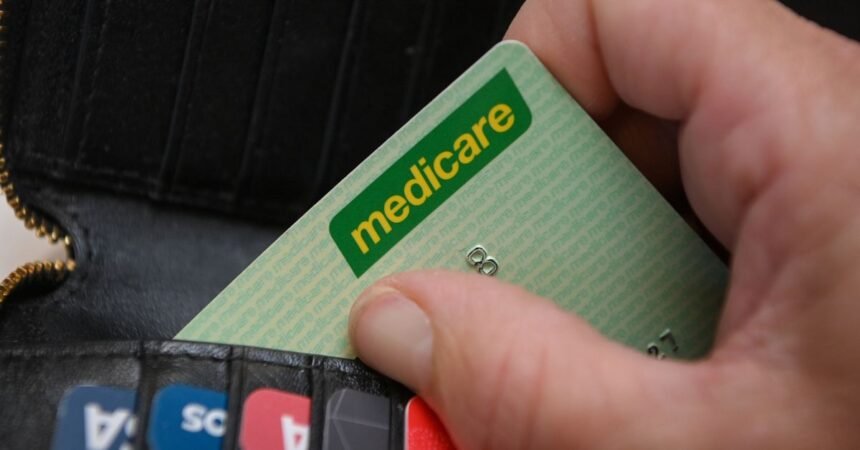
However, from Saturday, November 1, that will be expanded so the incentive covers anyone with a Medicare card.
The government is also introducing the Bulk Billing Practice Incentive Program (BBPIP) – an extra 12.5 per cent incentive payment to be split between doctors and practices that sign up for the program.
Why are these changes being made?
While it was partly a political move from the Labor government aimed at exploiting a perceived weakness of then-opposition leader Peter Dutton due to his stint as health minister, it’s also aimed at addressing the declining bulk billing rate.
In 2020, the figure was sitting at a record high of 89 per cent. In 2024, it had fallen to 78 per cent (admittedly up fractionally from 77 per cent the year before).
The government says the overhaul will drive the bulk billing rate up to 90 per cent by 2030.
So does this mean free GP visits for (almost) everyone?
That’s the idea – the government wants as many Australians as possible to access free doctor appointments.
In practice, it’s going to take a while for GPs across the country to sign on to the new scheme.
A week out from its introduction, 900 practices have indicated they will be moving to full bulk billing from November 1.
To hit its 90 per cent bulk billing rate target, the government in February said it needs 4800 practices on board (although about a third of them were already fully bulk billing at the time).
Health Minister Mark Butler is confident, though, that more providers are going to join.
“They’re going through those numbers, obviously making their own assessment about whether the practice will be better off and whether general practitioners, the GPs that work in their practice, will be better off,” he told reporters on Monday.
“Already a couple of thousand of them have indicated that they’re going to do that.
“Now, a number of them are already bulk-billing practices but… almost a thousand of them are practices that this week are charging gap fees, but they’ve indicated next week they’ll be fully bulk billing.
“I expect there to be a significant number of practices that make that same communication to us over the course of this week before Saturday as well.”
He also said he expects the numbers to rise over the coming years and that he was “delighted” at the initial level of support.
What does it mean for doctors?
GPs weren’t particularly happy with the 12.5 per cent BBPIP payment being split between doctors and practices, claiming it favours larger corporate clinics and could be a barrier to some providers signing up.
However, the government says doctors will be financially far better off under the new system.
“Two years ago, a full-time, fully bulk-billing GP would have been earning about $280,000 a year after they paid their practice costs,” Butler said.
“From this weekend, they’ll be earning $405,000 a year, a $125,000 increase.
“This investment is obviously good for the Medicare system, good for patients, but it’s also good for GPs themselves.